
Holiday Scams: How to Spot the Red Flags

For most people, young and old, the holidays are the busiest time of year. Unfortunately, scammers know it. Between online shopping, package deliveries, charitable giving, and a steady stream of holiday messages, it’s easy to click before you stop to think.
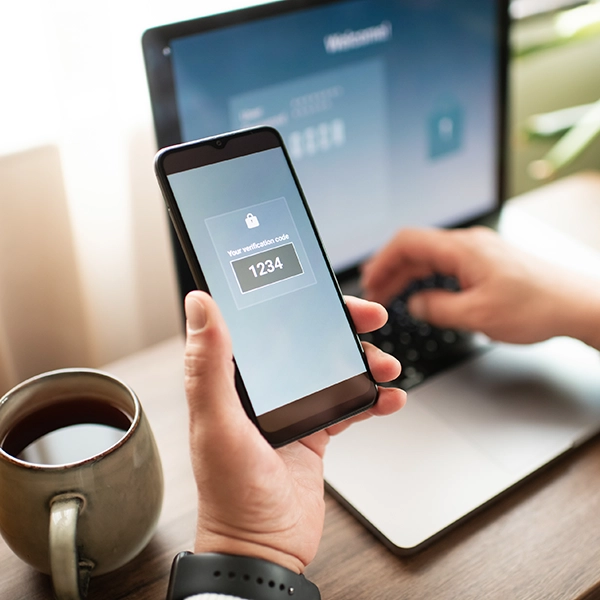
What seems like an innocent text alerting you to a problem with your delivery could have an ulterior motive. An email from an online merchant asking you to verify an account might not be from who it says. When you’re busy, even a convincing scam can be difficult to spot.
But it’s easy to protect yourself from holiday scams by adopting a few simple habits that pay off throughout the year.
The message may look convincing. It may use familiar language about a delivery you’ve actually been expecting. But watch for these red flags to avoid being the victim of fraud:
A scammer may pose as someone you know or a known business or utility company. Typically, they ask you to purchase gift cards and provide the card numbers or codes as the form of payment. Once those codes are shared, the money is theirs. Watch for these red flags when being persuaded to buy a gift card:
Depending on the situation, you may also need to change your online banking username and password, close affected accounts, or disable certain payment methods. Continue monitoring your accounts for suspicious activity. The sooner you report a suspected problem, the sooner you can begin taking steps to protect your finances.
For up-to-date scam alerts and resources to help protect yourself and your family, visit the Carter Bank Security Center regularly. We’re here to ensure that scammers won’t steal your joy this holiday season.
What seems like an innocent text alerting you to a problem with your delivery could have an ulterior motive. An email from an online merchant asking you to verify an account might not be from who it says. When you’re busy, even a convincing scam can be difficult to spot.
But it’s easy to protect yourself from holiday scams by adopting a few simple habits that pay off throughout the year.
Fake Package Delivery Messages
Few things get your attention during the holidays like a message saying there’s a problem with a package. Scammers take advantage of that anticipation by sending fake delivery texts or emails claiming you need to confirm an address, pay a small fee, or click a link to reschedule a delivery.The message may look convincing. It may use familiar language about a delivery you’ve actually been expecting. But watch for these red flags to avoid being the victim of fraud:
- The message creates urgency or says you must act immediately.
- You’re asked to provide personal or payment information.
- The link takes you somewhere unfamiliar.
- You’re asked to pay an unexpected fee to receive a package.
- You weren’t expecting a delivery in the first place.
Online Shopping Scams
Holiday shopping creates plenty of opportunities for scammers to create fake websites, advertisements, and offers designed to look legitimate. A deal that seems too good to be true may be designed to get you to enter your payment information quickly. Other scams may involve products that never arrive or arrive very differently from what was advertised. Watch for these red flags when shopping online this holiday season:- A price that’s dramatically lower than anywhere else.
- Pressure to purchase immediately.
- A URL that looks slightly different than what you expect.
- Poorly written or unusual website content.
- Requests to pay through an unusual method.
- A seller asking you to move the transaction away from a trusted website.
Gift Card Scams
Gift cards are popular during the holidays, which also makes them attractive to scammers.A scammer may pose as someone you know or a known business or utility company. Typically, they ask you to purchase gift cards and provide the card numbers or codes as the form of payment. Once those codes are shared, the money is theirs. Watch for these red flags when being persuaded to buy a gift card:
- Someone asks you to buy gift cards to pay a utility bill, fee, or debt.
- You’re asked to provide gift card numbers or PINs.
- The request comes unexpectedly by text, email, or phone.
- You’re pressured to keep the request secret.
Fake Charity Requests
Giving is an important part of the holiday season for many families. And scammers know that, too. Fake charity scams can involve emails, texts, social media posts, websites, or even phone calls asking for donations. The request may use a name or story that is highly emotional for the audience, and they may encourage you to give immediately. Watch for these red flags when solicited by a charitable organization during the holidays:- You’re pressured to donate immediately.
- You’re asked to provide sensitive financial information through an unsolicited message.
- The organization or website is difficult to verify.
- You’re asked to send money through an unusual payment method.
- The message relies heavily on emotion but provides few details.
Phishing Texts and Emails
Phishing isn’t limited to the holidays, but a busy season can make these scams especially effective. A phishing message may claim there’s an issue with your bank account or that your debit card was used for an unauthorized transaction. The goal is to get you to click a link, provide personal information, or reveal your login credentials. Watch for these red flags in any suspicious messages over the holidays:- The message is designed to create fear or urgency.
- You’re asked to verify sensitive or personal information.
- The sender’s email address or phone number looks unfamiliar.
- A link doesn’t lead to the organization it claims to represent.
- You’re asked for your username, password, PIN, or account number.
Fake Lenders and Loan Scams
If you find yourself needing to apply for a loan during the holidays, be extra cautious. This time of year, fake lenders prey on people’s need for fast financing. How this scam typically works is that someone applies for a loan online from a credible lender, but in reality, the webpage does not belong to the lending company they claim to represent. Look for these red flags if you are applying for a loan online:- The “lender” claims to need your online credentials to make a deposit or view your bank statement for verification.
- The “lender” may ask you to write a check and return funds to the “lender” to pay fees or clear items on your credit report.
Warning Signs at a Glance
No matter what kind of holiday scam you’re dealing with, certain patterns tend to show up again and again. It’s a good habit to pause anytime a message:- Creates a sense of panic or urgency.
- Asks for sensitive information.
- Tells you to click a link immediately.
- Requests an unusual form of payment.
- Comes from an unexpected sender.
- Promises something that seems too good to be true.
- Tells you not to verify the request independently.
- Asks you to lie to your bank.
Develop These Simple Habits to Protect Yourself
You don’t have to spend your holidays worrying about every text or email you receive. Instead, incroproate a few simple, but protective habits into your everyday routine.- Verify before clicking. If a message asks you to take action, go instead to the organization’s official website or app. Don’t follow the link.
- Monitor your accounts. Check your bank and credit card activity regularly, especially during periods when you’re making more purchases than usual.
- Turn on account alerts. Account alerts for your checking and savings accounts can notify you about important activity, helping you to spot something unusual quickly.
- Protect your login credentials. Don’t share usernames, passwords, or PINs in response to an unexpected call, email, or text.
- Keep suspicious messages. If you suspect fraud, don’t delete the suspicious text, email, or phone number. Your bank or credit card’s Fraud Prevention Team may need that information when investigating what happened.
What Should You Do If You Think You’ve Been Scammed?
Don’t panic, but also don’t ignore it. If you think your Carter Bank account or information may have been compromised, contact Carter Bank’s Customer Contact Center at 833-275-2228 as soon as possible. Don’t use a phone number or link provided in the suspicious message. If you have a concern during regular banking hours, you can also feel free to visit the nearest branch.Depending on the situation, you may also need to change your online banking username and password, close affected accounts, or disable certain payment methods. Continue monitoring your accounts for suspicious activity. The sooner you report a suspected problem, the sooner you can begin taking steps to protect your finances.
Keep Your Holidays Merry and Your Money Safe
Scammers don’t take a holiday break, but that doesn’t mean you need to spend the season looking over your shoulder. The most effective protection often starts with something simple: pause before you react, verify before you respond, and monitor your accounts regularly.For up-to-date scam alerts and resources to help protect yourself and your family, visit the Carter Bank Security Center regularly. We’re here to ensure that scammers won’t steal your joy this holiday season.
Posted in:
Fraud Prevention